Low Boiler Pressure? Here’s What It Could Mean for Your Heating System
If you’ve noticed your boiler pressure dropping, or your heating suddenly isn’t working properly, low boiler pressure could be the reason.
It’s one of the most common heating issues homeowners experience, especially during colder months when boilers are being used more heavily. In some cases, it’s a quick and simple fix. In others, it can point to a bigger problem within your heating system.
Here’s what you need to know about low boiler pressure, what causes it, and when it’s time to call in a professional.
What Is Boiler Pressure?
Your boiler needs the correct amount of water pressure to circulate hot water around your home efficiently.
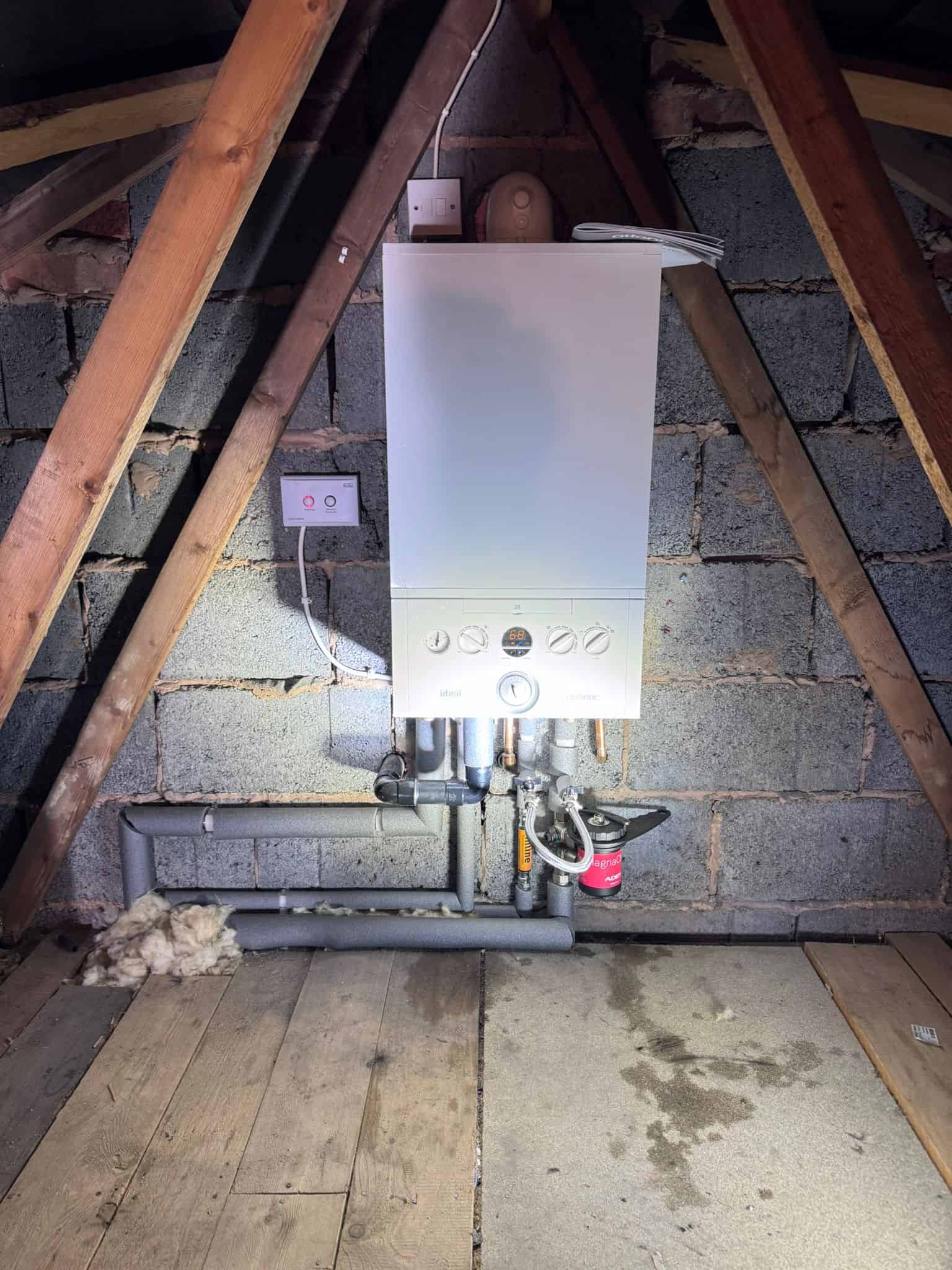
Most modern boilers have a pressure gauge on the front. In general, the pressure should sit somewhere between 1 and 2 bar when the system is switched off and cool.
If it drops too low, your heating and hot water may stop working properly altogether.
Signs of Low Boiler Pressure
There are a few common signs that your boiler pressure may be too low:
Your radiators are not heating properly
Your boiler keeps switching itself off
You have no hot water or heating
The pressure gauge is below 1 bar
You’re seeing warning lights or fault codes on the boiler
If you notice any of these issues, it’s worth checking the pressure gauge first.
Common Causes of Low Boiler Pressure
There are several reasons why your boiler pressure may keep dropping.
A Leak Somewhere in the System
One of the most common causes is a leak.
Even a small leak from a radiator valve, pipe joint or underneath the boiler can slowly reduce pressure over time.
Some leaks are obvious, while others can be hidden beneath floors or behind walls.
Recently Bled Radiators
If you’ve recently bled your radiators to remove trapped air, it’s normal for the pressure to drop slightly afterwards.
This usually just means the system needs repressurising.
Faulty Pressure Relief Valve
Your boiler has a safety component called a pressure relief valve. If this becomes faulty or worn out, it can release water unnecessarily and lower the pressure.
This type of issue should always be checked by a qualified heating engineer.
Problems with the Expansion Vessel
The expansion vessel helps regulate pressure changes inside your heating system.
If it fails, your boiler may struggle to maintain stable pressure levels, leading to repeated drops and heating issues.
How to Repressurise Your Boiler
In many homes, low pressure can be resolved by topping the system back up using the filling loop.
This is usually a silver flexible hose located underneath the boiler.
Every boiler model is slightly different, so it’s important to follow the manufacturer’s instructions carefully. Over-pressurising the system can also cause problems.
If you’re unsure, it’s always safer to get professional advice.
When to Call a Heating Engineer
If your boiler pressure keeps dropping regularly, there’s usually an underlying issue that needs investigating.
Repeatedly topping up the pressure without fixing the root cause can eventually lead to bigger and more expensive problems.
You should contact a heating engineer if:
Your pressure keeps falling
You suspect a leak
Your boiler is displaying fault codes
You have no heating or hot water
You’re unsure how to safely repressurise the system
Final Thoughts
Low boiler pressure is a common issue, but it shouldn’t be ignored.
Sometimes the fix is simple, but ongoing pressure loss often points to leaks or faults within the heating system that need professional attention.
Keeping your boiler running properly is important for both comfort and efficiency, especially during colder weather in Derby.
Need Help with Low Boiler Pressure in Derby?
At RML Plumbing & Heating, we help homeowners across Derby diagnose and repair boiler pressure issues quickly and safely.
Whether you need a simple fix, leak detection or a full heating system inspection, our team is here to help. Get in touch today for reliable local plumbing and heating services.
Do you need help from our experts?
Give us a call today to get expert advice and support from our experienced team.